Oracle AI Agents: Transforming Enterprise Automation with Intelligent Workflows
1. What Are Oracle AI Agents? — A New Paradigm in Enterprise AI
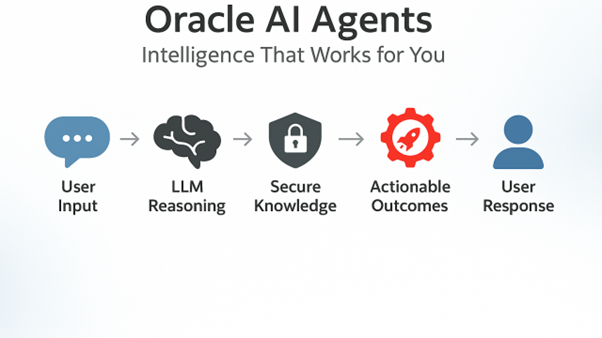
Oracle AI Agents are intelligent software entities empowered by generative AI and large language models (LLMs) that can:
- Understand natural-language requests
- Access enterprise data and applications
- Plan and execute multi-step workflows
- Interact autonomously with users and systems
These agents go beyond traditional rule-based automation — they reason, act, and adapt based on business context and objectives.
Key Differentiators:
- Autonomy & multi-step reasoning
- Context-aware interactions
- Data and workflow orchestration
These capabilities make AI agents ideal for scaling enterprise automation across Finance, HR, Supply Chain, Support, and more.
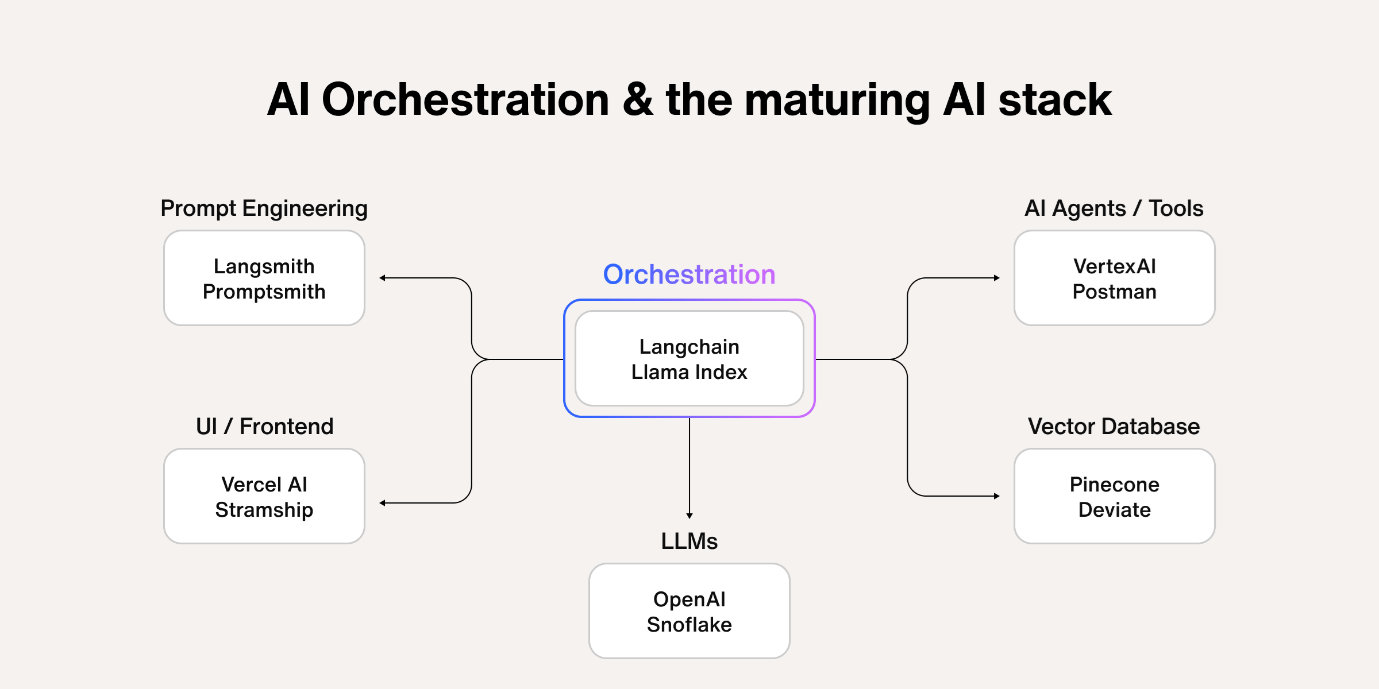
2. Core Platform: OCI Generative AI Agents & Studio
Oracle provides two foundational platforms for building and deploying AI agents:
OCI Generative AI Agents
A fully managed cloud service that lets enterprises create scalable, secure AI agents using state-of‐the‐art LLMs and context management tooling. It supports:
- Conversational multi-turn chat
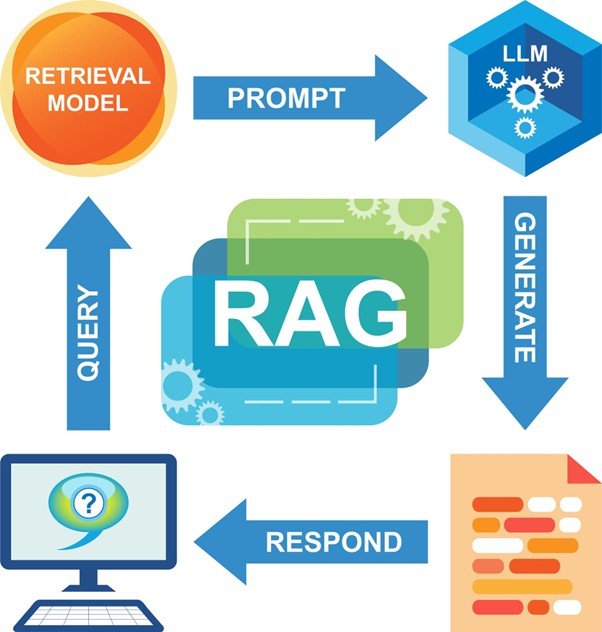
- Retrieval-augmented generation (RAG)
- Tool and workflow orchestration
- Security and governance
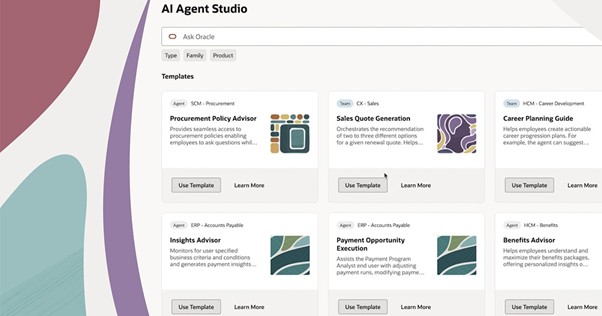
AI Agent Studio for Oracle Fusion Applications
A design-time environment for:
- Configuring pre-built role-based agents
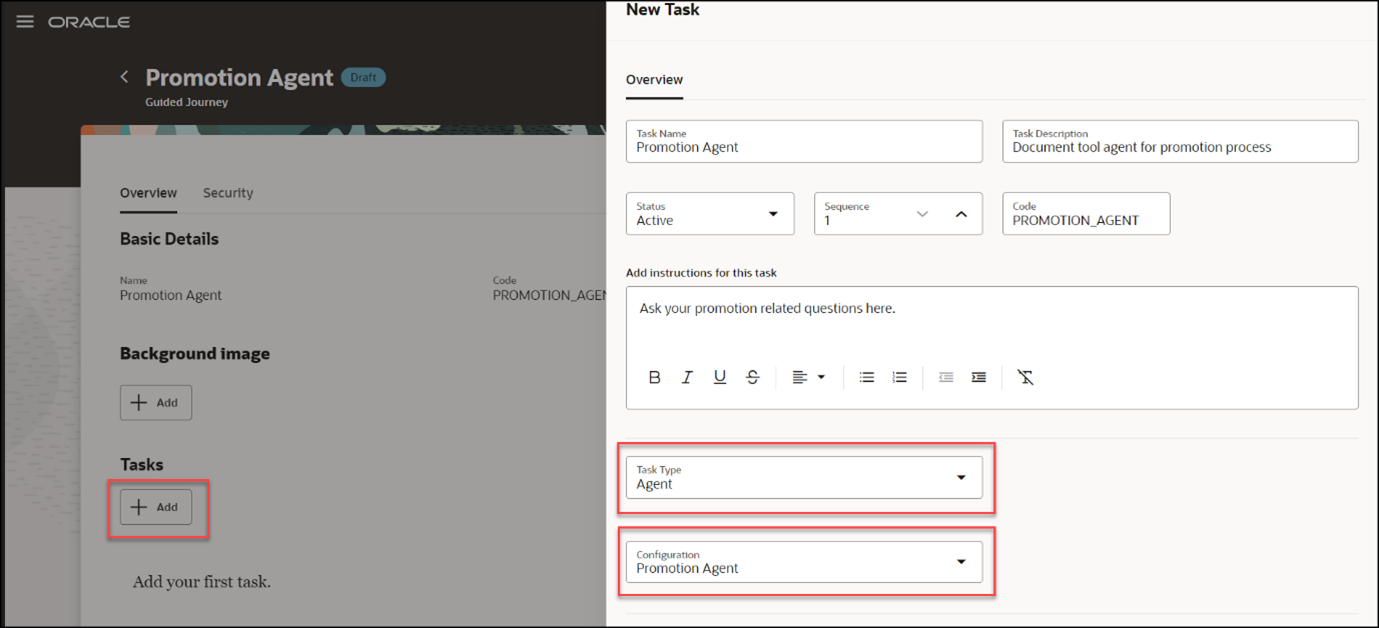
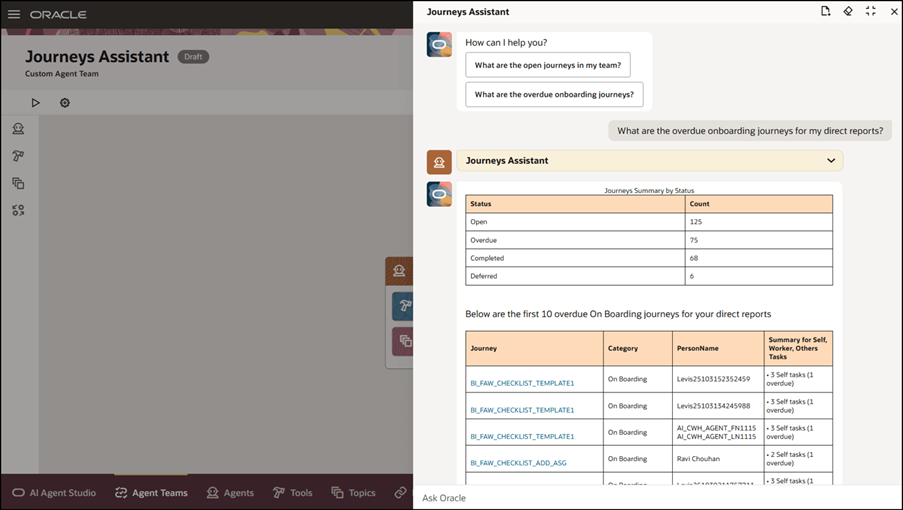
- Creating custom agents and multi-agent workflows
- Integrating tools, knowledge stores, APIs, business objects
AI Agent Studio is embedded within Oracle Fusion Cloud Applications, giving secure access to app data and enterprise services.
New Update (Oct 2025):
Oracle launched an AI Agent Marketplace inside Agent Studio — enabling customers to deploy partner-built, Oracle-validated agent templates directly within Fusion Applications, increasing speed to value.
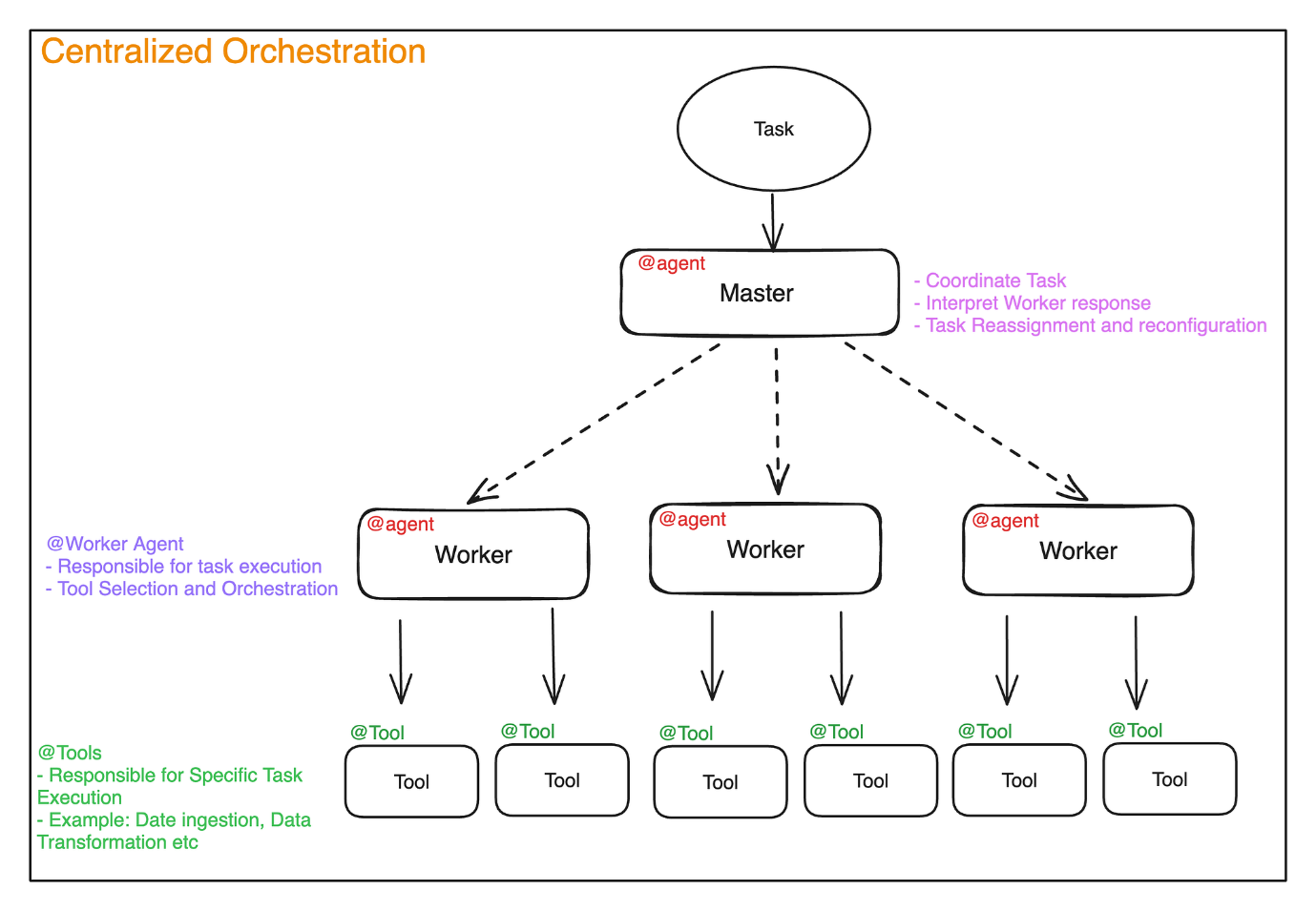
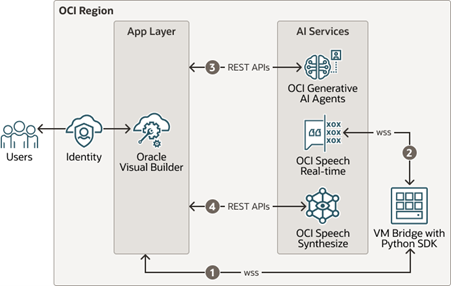
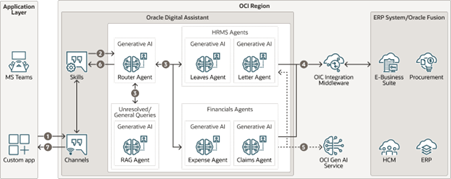
3. Embedded AI at Work: Oracle AI Agents in Fusion Cloud Apps
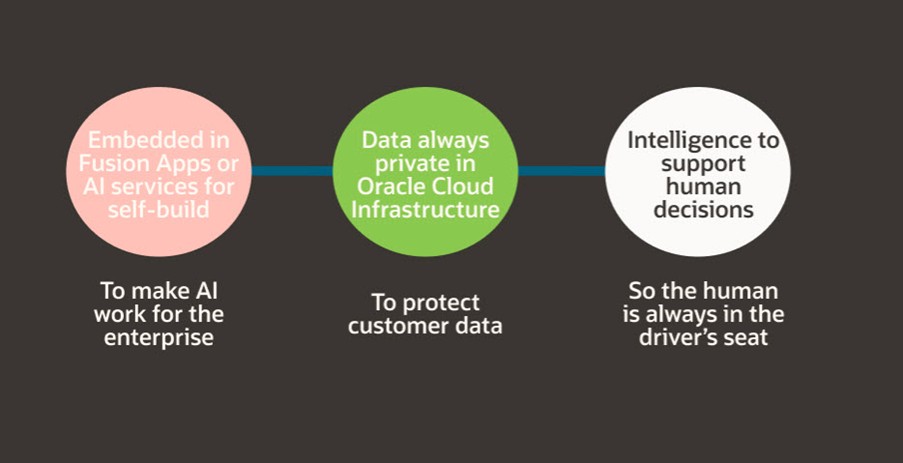
One of Oracle’s biggest strategic advantages is embedding AI agents directly into business applications — meaning users benefit from AI where they already work, with no extra integration cost.
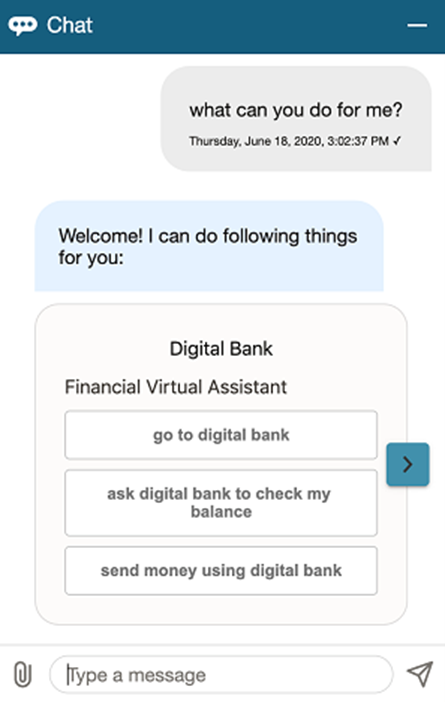
These embedded agents appear within familiar interfaces — supporting users with:
- Interactive help and guided journeys
- Transactional automation (e.g., HR policy answers)
- Data-driven recommendations
- Real-time conversational support
For example, in HCM you can deploy agents that answer employee questions about policies by drawing from uploaded documents and internal data.
4. Real-World AI Agent Use Cases
Oracle highlights dozens of enterprise AI agent use cases — with 20+ scenarios across functions such as HR, Finance, Supply Chain, Support, and Customer Experience.
HR & Talent Management
- Screen and engage job candidates
- Explain benefits and policies conversationally
- Support employee onboarding and retention analytics
HR & Talent Management
- Screen and engage job candidates
- Explain benefits and policies conversationally
- Support employee onboarding and retention analytics
Finance & Risk
- Assist with financial projections
- Automate KYC / AML workflows
- Provide real-time insights into transactions
Healthcare & Services
- Schedule appointments and assist clinical documentation
- Provide policy guidance and administrative support
Supply Chain & SCM
- Optimize routing and scheduling
- Provide maintenance and repair recommendations
- Assess supplier risk automatically
Customer Support
- Triage and route tickets
- Provide conversational order tracking
- Automate resolution recommendations
These use cases illustrate how AI agents remove friction, accelerate workflows, and surface insights across business tasks.


5. Developer & Integrator Perspective
Developers can extend AI agents using tools like:
- Retrieval-Augmented Generation (RAG) for knowledge search
- REST API connectors for external systems
- PL/SQL tools for domain-specific automation in database contexts
From simple conversational agents to enterprise-grade multi-agent workflows, organizations can tailor functionality to meet domain-specific needs while respecting security and governance frameworks.
6. Business Value — Why AI Agents Matter
Operational Efficiency:
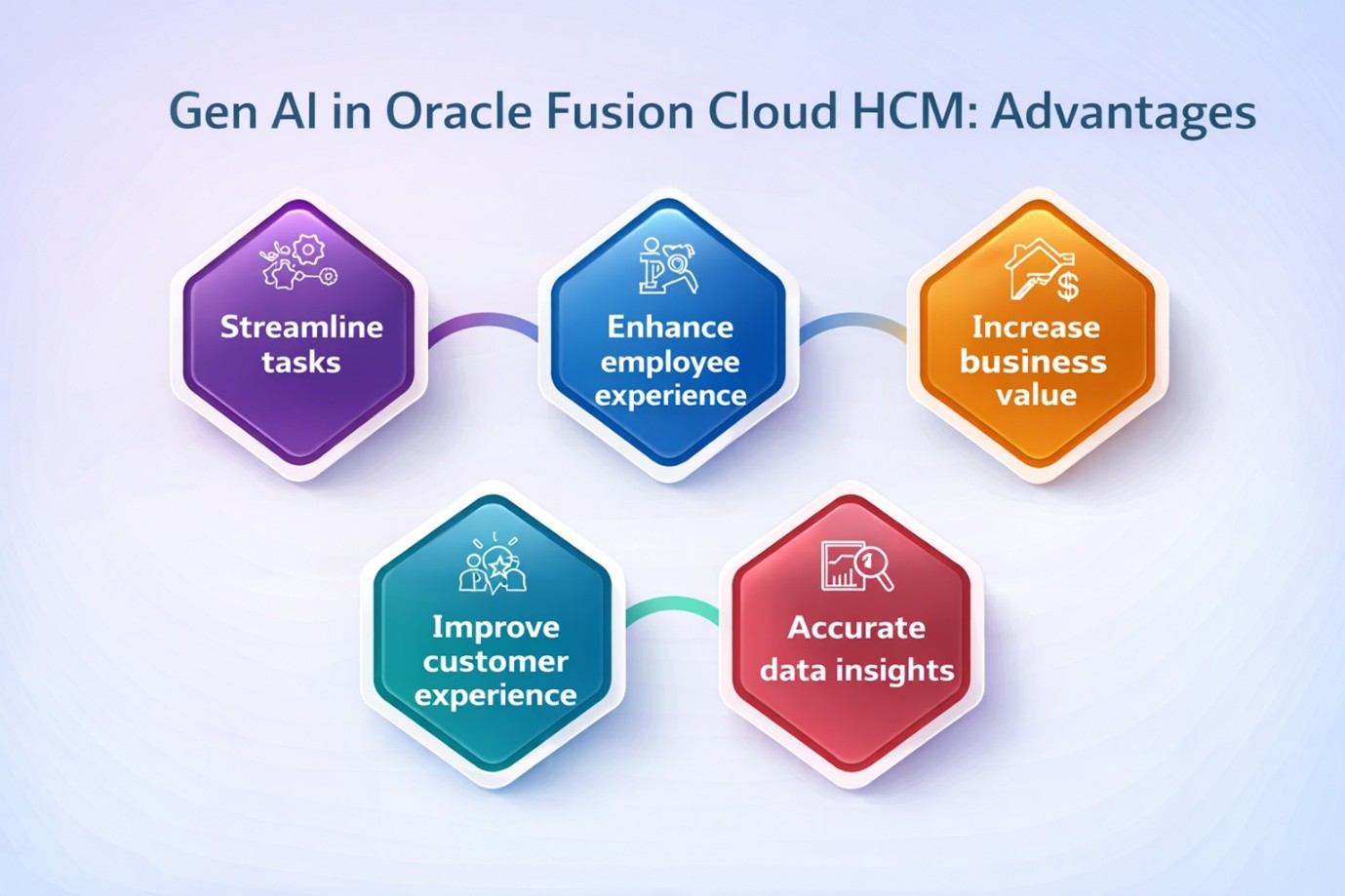
AI agents eliminate repetitive manual work and streamline complex processes.
Insight-Driven Decisions:
They synthesize data from multiple systems into actionable guidance.
Employee Productivity:
Teams can focus on strategic work while agents take care of routine tasks.
Enterprise-Grade Security & Compliance:
Operating on OCI with governance and control baked in ensures SaaS-ready resilience.
This positions Oracle AI agents as a practical catalyst, not an experimental tool, shifting AI from novelty to enterprise utility.

7. What’s Next? The Expanding AI Agent Ecosystem
Oracle continues to invest heavily in agentic AI:
AI Agent Marketplace - Partner-built, certified agents within Fusion
LLM flexibility - Support for multiple model providers (OpenAI, Anthropic, XAI, etc.)
Ecosystem certification - Certified experts to help customers scale AI adoption
Conclusion
Oracle AI Agents represent the next evolution of enterprise automation - moving beyond static chatbots to dynamic, autonomous orchestration that prioritizes outcomes, context, and productivity.
By integrating AI directly into Fusion Cloud Applications and providing a full toolchain for developers and implementers, Oracle is empowering organizations to:
- Automate complex workflows
- Democratize AI within core business processes
- Drive measurable business value
Whether you’re an executive, product user, implementation partner, or developer - understanding and adopting Oracle AI agents is now critical to staying competitive in the intelligent automation era.